Gravity Plumbing - 24h Plumbers, HVAC and Furnaces in Ontario
  • Services
    • Residential Services
    • Commercial Services
    • Commercial Construction
    • New Homes
  • Financing
    • Financeit
    • Lease To Own
  • Protection Plans
  • About
    • Careers
    • Acquisitions
    • Blog
  • Offers
  • Contact Us
  • Request A Quote
  • Call Now
    705-344-6835
  • Menu Menu
Understanding SEER Ratings - What are Seer Ratings in HVAC - 001

Understanding SEER Ratings

August 14, 2025/in Blog/by admin

A Comprehensive Guide for Peterborough, Lindsay & Kawartha Lakes Homeowners to Understand SEER Ratings.

When shopping for a new air conditioner, you’ve likely encountered the term “SEER rating.” But what exactly does it mean, and why is it important? This guide explains SEER ratings in detail, helping homeowners in Peterborough, Lindsay, and Kawartha Lakes make informed decisions for energy-efficient cooling.

What Does SEER Rating Mean?

SEER stands for Seasonal Energy Efficiency Ratio. It measures the efficiency of an air conditioner by calculating the cooling output divided by energy consumption over a typical cooling season. Essentially, the higher the SEER rating, the more efficiently your air conditioner operates, and the lower your hydro bill will be.

How SEER Ratings Work

  • SEER ratings typically range from 13 to over 25.
  • Older units often have ratings of 10 or below, contributing significantly to higher energy costs.
  • Current minimum SEER ratings set by the government are typically around 13–14, depending on the region.

Why SEER Ratings Matter

Lower Energy Bills

  • Higher SEER-rated air conditioners consume less electricity, reducing your monthly hydro bill substantially.
  • Upgrading from a SEER 10 to SEER 16 can cut cooling costs by up to 40%.

Improved Environmental Impact

  • Less energy usage translates to lower greenhouse gas emissions.
  • Higher efficiency reduces your home’s overall carbon footprint.

Enhanced Home Comfort

  • Higher SEER-rated units often feature advanced technology like two-stage compressors and variable-speed fans.
  • These improvements lead to better humidity control, quieter operation, and more consistent temperatures throughout your home.

Discover High-Efficiency Air Conditioning Options

Choosing the Right SEER Rating

The optimal SEER rating for your home depends on various factors:

  • Local Climate: Peterborough, Lindsay, and Kawartha Lakes experience hot, humid summers, making higher SEER ratings beneficial.
  • Home Size and Insulation: Well-insulated homes may require less cooling capacity, impacting the SEER level needed for optimal efficiency.
  • Budget and Long-Term Savings: While higher SEER units cost more upfront, the long-term savings often outweigh the initial investment.

Understanding SEER Ratings - What are Seer Ratings in HVAC - 002

SEER Rating Recommendations for Ontario Homes

  • SEER 13-15: Adequate efficiency; meets minimum regulatory standards.
  • SEER 16-18: Optimal balance of upfront cost and energy savings for most homeowners.
  • SEER 19-25+: Ideal for maximizing long-term savings, comfort, and environmental impact.

Common Misconceptions about SEER Ratings

  • Higher SEER Always Means Better: Not necessarily true. A unit must be properly sized and installed to achieve its rated efficiency.
  • Higher SEER is Too Expensive: Financing options and rebates often make higher SEER units affordable and financially sensible.

Explore Financing and Rebates

Understanding SEER Ratings - What are Seer Ratings in HVAC - 003

Maintaining SEER Efficiency

To maintain the efficiency indicated by your SEER rating, regular maintenance is crucial:

  • Change air filters regularly.
  • Schedule annual professional inspections.
  • Keep outdoor units free from debris and vegetation.

Final Thoughts for Peterborough, Lindsay & Kawartha Lakes Homeowners

Understanding SEER ratings is key to choosing an efficient, cost-effective air conditioner. By investing in a higher SEER unit, you benefit from lower energy costs, increased comfort, and reduced environmental impact.

Ready to upgrade to an efficient, high-SEER air conditioner? Contact Gravity Plumbing & Heating for a free consultation and tailored recommendations.

Contact Gravity Plumbing & Heating


https://gravityplumbingandheating.ca/wp-content/uploads/2025/08/5.jpg 1080 1920 admin https://gravityplumbingandheating.ca/wp-content/uploads/2024/02/gravity-web-logo.png admin2025-08-14 12:29:462025-08-14 12:29:46Understanding SEER Ratings
When Should You Replace Your HVAC System?

When Should You Replace Your HVAC System?

August 5, 2025/in Blog/by admin

Guidance for Peterborough, Lindsay & Kawartha Lakes Homeowners on When to Replace Your HVAC System.

If your heating or cooling system isn’t performing like it used to, knowing when to replace your HVAC system can save you money and hassle down the line. Homeowners in Peterborough, Lindsay, and Kawartha Lakes often hold onto aging systems too long, leading to higher energy bills, more frequent repairs, and uneven home comfort.

Here’s how to know if it’s time to invest in a new HVAC system:

Signs Your HVAC System Needs Replacement

1. It’s Over 15 Years Old

  • Most HVAC systems have a reliable life span of 12–15 years.
  • Beyond that point, efficiency drops sharply.
  • Older units lack modern energy-saving features like variable-speed motors and smart thermostats.

2. Rising Hydro Bills

  • If your electricity bill increases even though usage habits haven’t changed, an aging HVAC system may be the cause.
  • Systems lose efficiency over time, forcing them to work harder—and cost you more.

Compare HVAC Efficiency Ratings

3. Frequent Repairs

  • Constant breakdowns and repairs aren’t normal.
  • If you’ve called for service more than twice in the last year, consider replacement.
  • Repair costs add up quickly and often exceed the value of an older unit.

4. Uneven Temperatures in Your Home

  • Older systems may fail to distribute air evenly, leaving hot and cold spots.
  • This is especially common in multi-level homes or homes with large additions.

5. Excessive Noise

  • If your system rattles, hums loudly, or makes banging noises, internal components may be wearing out.
  • Newer HVAC units operate much more quietly—an often-overlooked comfort upgrade.

Benefits of Upgrading Your HVAC System

Benefits of Upgrading Your HVAC System

Lower Energy Bills

  • Modern systems can reduce hydro costs by up to 30%.
  • High SEER (Seasonal Energy Efficiency Ratio) ratings mean better performance using less power.

Improved Comfort

  • Consistent temperatures throughout your home.
  • Better humidity control and air quality.

Quieter Operation

  • Newer systems feature quieter fans, compressors, and ductwork design.

Reliable Local Support

  • Gravity Plumbing & Heating provides installation, service, and maintenance plans for homeowners in Peterborough, Lindsay, and Kawartha Lakes.

See Available HVAC Systems

Financing and Rebates

Worried about upfront costs? Financing options and local rebates make upgrading affordable.

  • Flexible payment plans.
  • Government incentives available.

Explore Financing Options

When to Book an HVAC Assessment

If any of these apply to your home, it’s time to schedule a professional assessment:

  • Your HVAC system is 15+ years old.
  • Your hydro bills have increased suddenly.
  • You experience hot or cold spots in your home.
  • Repairs are becoming too frequent and expensive.

Book Your Free Assessment

Final Word for Local Homeowners

Peterborough, Lindsay, and Kawartha Lakes homeowners—don’t wait until your HVAC system fails completely. Replacing your system proactively means:

  • Lower hydro bills.
  • Consistent home comfort.
  • Fewer emergency repairs.

Contact Gravity Plumbing & Heating today to find the right system for your home. Free estimates and local support guaranteed.

Call Gravity Plumbing & Heating

https://gravityplumbingandheating.ca/wp-content/uploads/2025/08/3.jpg 1080 1920 admin https://gravityplumbingandheating.ca/wp-content/uploads/2024/02/gravity-web-logo.png admin2025-08-05 03:35:222025-10-23 10:43:50When Should You Replace Your HVAC System?
Why Is My Hydro Bill So High When Cooling?

Why Is My Hydro Bill So High When Cooling?

August 1, 2025/in Blog/by admin

Why Is My Hydro Bill So High When Cooling? Expert Answers for Peterborough, Lindsay & Kawartha Lakes Homeowners

If your hydro bill spikes every summer, you’re not alone. Across Peterborough, Lindsay, and the Kawartha Lakes area, homeowners often see higher-than-normal electricity costs due to old, inefficient HVAC systems.

Below, we break down why this happens—and how a new HVAC system from a trusted local installer can save you money, deliver cooler air, and operate more quietly.

Common Reasons for High Hydro Bills While Cooling

1. Old HVAC Units Consume Excessive Power

  • Older systems (10–15+ years) use far more energy than modern high-efficiency units.
  • Worn-out compressors and outdated technology force your system to run longer and harder, especially during heatwaves.
  • Many homeowners report power bills exceeding $400/month due to this inefficiency.

2. Incorrectly Sized or Poorly Maintained Systems

  • An oversized or undersized unit wastes energy.
  • Lack of maintenance—like dirty filters or leaky ducts—forces your system to overwork.
  • Refrigerant leaks or clogged components reduce efficiency and increase your bill.

3. Home Energy Loss Due to Poor Insulation

  • Many homes in Peterborough and Lindsay were built before modern energy standards.
  • Drafty windows, old insulation, and unsealed ductwork cause cool air to escape.

Learn About Residential HVAC Systems

Why Upgrade Your HVAC Systrem - 001

Why Upgrade Your HVAC System?

Lower Hydro Bills

  • New HVAC systems consume up to 30% less electricity.
  • Advanced compressors and smart thermostats optimize energy use.

Cooler, Consistent Air

  • Modern heat pumps and air conditioners maintain even temperatures.
  • Variable-speed motors prevent hot spots and inconsistent airflow.

Quieter Operation

  • New systems operate with whisper-quiet indoor units (as low as 19 dB).
  • No more noisy, clunky outdoor compressors disrupting your peace.

Long-Term Reliability & Local Support

  • Gravity Plumbing & Heating offers 24/7 service to homeowners across Peterborough, Kawartha Lakes, and Lindsay.
  • Experienced, local installers know how to handle Ontario’s specific climate and housing challenges.

See Heat Pump Installation Options

Additional Benefits: Financing and Protection Plans

  • Flexible financing options make new systems affordable.
  • Available protection plans cover maintenance and repairs, giving you peace of mind year-round.

Explore HVAC Maintenance Plans

Proactive Maintenance for Ongoing Savings

Task Frequency Benefit
Filter replacement Every 1–3 months Restores airflow and efficiency
Duct sealing & insulation As needed Prevents cool air loss
Smart thermostat install One-time Cuts cooling costs by up to 20%
System Tune-up Once per year Keeps system running efficiently

Serving Peterborough, Lindsay & Kawartha Lakes

If you live in any of these communities and notice your cooling bills creeping up, it’s time to look at your HVAC system.

  • Peterborough: Older brick homes, retrofitted additions, and high-traffic households need updated systems.
  • Lindsay & Kawartha Lakes: Larger rural properties or lakefront homes often have unique cooling challenges.

Book a Free HVAC Assessment

Final Thoughts

An outdated HVAC system can quietly drain your budget while leaving your home less comfortable. By upgrading, you:

  • Slash electricity bills.
  • Enjoy quieter, more consistent comfort.
  • Gain reliable service from a local team you can trust.

Ready to lower your hydro bill and upgrade your comfort? Contact Gravity Plumbing & Heating today to schedule your free, no-obligation quote.

Contact Us Today


https://gravityplumbingandheating.ca/wp-content/uploads/2025/08/1.jpg 1080 1920 admin https://gravityplumbingandheating.ca/wp-content/uploads/2024/02/gravity-web-logo.png admin2025-08-01 09:56:512025-08-01 09:57:52Why Is My Hydro Bill So High When Cooling?
Renting VS Buying AC - How Much Can You Save By Buying Your Own AC - 001

Should You Rent or Buy Your AC in Ontario? Here’s Why Buying Makes Way More Sense

July 1, 2025/in Blog/by admin

Looking to get a new AC? Find out why buying is a much better financial decision compared to renting a new AC.

If you’re deciding between renting or buying your home’s air conditioning system, the numbers aren’t even close. Renting an AC might look like a budget-friendly option at first glance—but over time, it ends up costing homeowners 3 to 4 times more than just buying outright.

Let’s break it down with real examples, the hidden downsides of rental agreements, and why working with a local company like Gravity Heating & Plumbing is the smartest move when it’s time to upgrade.

The Hidden Cost of Renting Your AC

Renting an air conditioner in Ontario often comes with:

  • Monthly payments between $60–$90
  • Long-term contracts—often 10+ years
  • Buyout clauses and penalties if you want to cancel early
  • No ownership—you’re paying for a product you never own

Example: What You Pay Over Time

Option Monthly Cost 10-Year Total 15-Year Total 20-Year Total
Renting $75/month $9,000 $13,500 $18,000
Buying $7,000 (install + basic maintenance) $7,000 $7,500 $8,000

Renting can cost $10,000+ more over two decades—and you still don’t own anything in the end.

Even when including occasional maintenance or a future replacement part, you’re still far ahead financially by purchasing your system.

 Why Buying an AC Is the Better Investment

Here’s what you get when you own your AC:

1. True Ownership

You’re not making never-ending payments. You pay once, you own it outright. No contracts. No surprises.

2. Better Equipment

When you rent, you’re often given a standard mid-efficiency unit. When you buy, you can choose a high-efficiency system that uses less electricity, cools faster, and lasts longer.

3. Adds Resale Value

An owned, efficient HVAC system is a selling point. A rental agreement? That’s a red flag for buyers and can even delay or derail a home sale.

4. Flexible Financing

With programs like interest-free loans or private financing, it’s easy to spread out the cost of buying—without the long-term penalties of renting.

Renting an AC Might Seem Easy—But You’ll Pay for It Later

Renting a system appeals to homeowners because it requires no money down. But the math doesn’t hold up:

  • Over 10 years, you pay more than the system is worth.
  • Over 20 years, you could have replaced the unit twice for less.
  • If you sell your home, you have to disclose the rental—which can complicate deals.
  • Some buyers walk away rather than inherit a rental contract.

 Is Financing a New AC Better Than Renting?

The better option for those who want a no money down or lower initial deposit is to do a financing arrangement when the equipment is purchased. Then you get the best of both worlds; lower initial deposit or no money down with monthly payments but in the end you own the equipment. Naturally the less money you put down as a deposit the more interest you end up paying but the equipment is yours and this comes out cheaper than renting.

Buy AC Financing - Financing For New Air Conditioner - Find Out If You Qualify Button - 001

 Why Homeowners Trust Gravity Heating & Plumbing

When you’re making a big purchase like an AC system, you want experience on your side. Gravity isn’t a faceless call centre or a contractor you never meet twice. Here’s what sets them apart:

✔ Local and Experienced

Gravity has installed hundreds of AC units across Peterborough, Lindsay, Kawartha Lakes and surrounding areas. They understand how Ontario’s climate affects performance and lifespan—and will recommend models that actually suit your home.

✔ Honest Pricing

They’re not inflating equipment costs or locking you into complicated financing. You get transparent quotes, options that fit your budget, and no pressure to “rent to own.”

✔ Quality Brands and Proper Installation

Gravity installs reliable, energy-efficient systems that are made to last. More importantly, their team is certified and experienced in correct sizing, placement, and ductwork—because how it’s installed is just as important as what you install.

✔ Support After the Sale

They stand behind their work. If you need service down the road, you’re not calling a 1-800 number. You’re dealing with a local company that knows your home and your system.

Final Thoughts

Buy once. Save for decades. That’s the bottom line.

Renting an AC unit locks you into long-term payments, inflated costs, and limited flexibility. Buying your system with the help of Gravity Heating & Plumbing means:

  • You get expert advice and installation
  • You own a reliable, efficient system
  • You avoid thousands in rental markups
  • You keep more money in your pocket over time

If you’re planning to live in your home for more than 3 years, buying wins—every time. And with rebates and grants available to help reduce upfront costs, there’s never been a better time to make the switch.


Want help deciding what system is right for your home? Reach out to Gravity Heating & Plumbing for a straight answer and a competitive quote.

https://gravityplumbingandheating.ca/wp-content/uploads/2025/07/Renting-VS-Buying-AC-How-Much-Can-You-Save-By-Buying-Your-Own-AC-001.jpg 1354 1649 admin https://gravityplumbingandheating.ca/wp-content/uploads/2024/02/gravity-web-logo.png admin2025-07-01 08:11:292025-07-01 08:14:45Should You Rent or Buy Your AC in Ontario? Here’s Why Buying Makes Way More Sense
How Much Does It Cost to Install an Air Conditioner - AC Install Cost Kawarthal Lakes - Best Price Install AC - 001

How Much Does It Cost to Install an Air Conditioner?

June 27, 2025/in Blog/by admin

Installing an air conditioner typically costs between $3,899 and $5,699, with central AC averaging around $4,600. Prices vary based on the unit type, size, and complexity of the installation. 

For an exact quote you can click here and request specific pricing for your home.

Ductless systems can range from $3,800 to $6,900, especially if you need multiple indoor units. Factors like efficiency ratings and additional costs for ductwork may also influence your budget. If you want to understand more about choosing the right system, continue exploring the details. For more information about ductless systems and their pros and cons, click here. (Link to another blog post)

Overview of Air Conditioner Installation Costs

When taking into account the cost of installing an air conditioner, you’ll typically find that central AC installation starting at $3,899.

In Ontario, the air conditioner cost can vary based on factors like unit type and installation complexity. The cost to install AC in your home may also depend on square footage and efficiency ratings.

Air conditioner installation costs in Ontario vary due to unit type, installation complexity, square footage, and efficiency ratings.

It’s important to take these variables into account when budgeting. For a clear understanding of your specific needs, you can request an install air conditioner cost free quote to install new AC.


This way, you’ll have a detailed estimate tailored to your home, ensuring you make an informed decision that fits your budget. Additionally, consider the advantages of our **HVAC services offered**, which can provide you with comprehensive support during the installation process.

Central Air Conditioner Installation Pricing

While considering the installation of a central air conditioner, it’s vital to understand that pricing typically falls between $3,899 and $5,899, with an average around $4,500.

This install AC cost average includes both the unit and standard installation, which is important for budgeting your project. When you request an install new AC quote, be sure to ask for detailed breakdowns of labor and materials, as this helps you understand where your money is going.

Additionally, many HVAC companies offer a free AC installation estimate, allowing you to compare options without any commitment. By gathering multiple quotes, you’ll guarantee you get the best deal for your new central air conditioning system. It’s also advisable to choose a provider that emphasizes **customer satisfaction and service excellence**, ensuring a positive installation experience.

Ductless Air Conditioner Install Cost Breakdown

For those considering alternatives to central air conditioning, ductless air conditioners offer a flexible and efficient solution.

The installation costs for these systems typically range from $5,900 to $9,000, with an average cost around $6,750. This price includes both the indoor and outdoor units needed for effective cooling.

Ductless systems are particularly advantageous for homes without existing ductwork, making them a great option for retrofits. If you need to cool multiple rooms, you can add additional indoor units, which may increase the overall cost.

However, their energy efficiency can lead to savings on your utility bills, making them a smart investment for long-term comfort.

Factors Influencing Air Conditioner Install Prices

Several factors can greatly influence air conditioner prices, so it’s important to take them into account before making a purchase. The type and size of the AC unit, along with the brand, can notably affect costs. More efficient units might come with a higher price tag but can save you money in the long run. Additionally, the complexity of installation, such as whether ductwork needs retrofitting, plays a role in the final price.


Factor Influence on Price
Type of AC Unit Varies by installation needs
Size of AC Unit Based on home square footage
Efficiency Rating Higher efficiency often costs more
Brand Name Premium brands can be pricier
Installation Complexity More work increases overall costs

Understanding SEER Ratings and Efficiency

Understanding SEER ratings is essential when you’re choosing an air conditioner, as these ratings indicate the unit’s energy efficiency.

SEER stands for Seasonal Energy Efficiency Ratio, and it measures how much cooling you get for each unit of energy consumed. A higher SEER rating means greater efficiency, which can lead to lower energy bills.

Most modern systems have a SEER rating between 13 and 20, with anything above 14 considered efficient. When you invest in a higher SEER-rated unit, you’re not just paying for performance; you’re also making a long-term investment in energy savings.

Importance of Proper Sizing for Your AC Unit

Choosing the right size for your air conditioner is essential, as an improperly sized unit can lead to inefficiencies and discomfort.

If your AC is too small, it won’t cool your space effectively, leaving you hot and frustrated. Conversely, a unit that’s too large can cool your home too quickly, leading to increased humidity and higher energy bills.

To avoid these issues, consider the size of your home and its cooling needs. A professional can help you calculate the appropriate BTU rating based on factors like square footage and insulation.

Consider your home’s size and cooling needs; a professional can help determine the right BTU rating for optimal comfort.

Proper sizing not only enhances comfort but also improves energy efficiency, helping you save on utility costs in the long run.

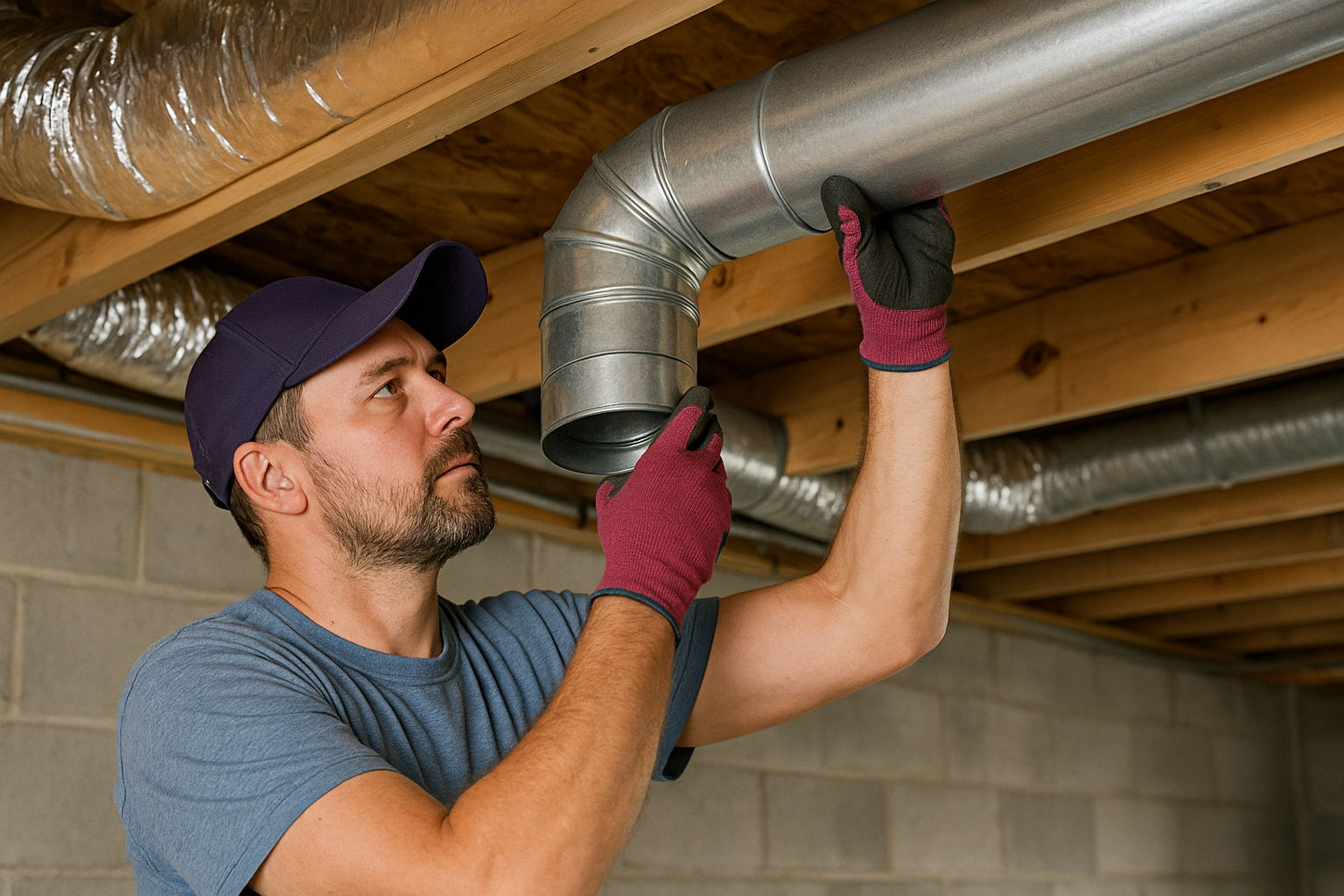
a man removing the ducts for a ductless retrofitting - Additional Costs to Consider During AC Installation

Additional Costs to Consider During AC Installation

While planning your air conditioner installation, it’s important to keep in mind that there are additional costs beyond the price of the unit and standard installation.

For instance, if your home needs ductwork retrofitting, that can greatly increase your expenses. You might also need to take into account electrical upgrades if your current system can’t handle the new unit’s requirements.

You may want to budget for any warranties or maintenance plans for long-term peace of mind. These costs can all add up, so it’s wise to plan accordingly.

Benefits of Professional Installation

When you opt for professional installation of your air conditioner, you’re not just guaranteeing a proper setup; you’re also gaining peace of mind.

Skilled technicians have the experience to handle any challenges that may arise, so you won’t have to worry about potential issues down the line. They’ll guarantee your unit is installed according to local codes and manufacturer specifications, maximizing efficiency and longevity.

Professional installers can help you choose the right system for your home’s size and needs, providing valuable advice on energy-efficient options.

Plus, many offer warranties that cover their workmanship, giving you further assurance.

Investing in professional installation saves you time, hassle, and money in the long run.

Comparing Different Types of Air Conditioning Systems

As you weigh your options for air conditioning systems, it’s essential to understand the differences between central, ductless, and portable units.

Central air conditioning is ideal for whole-home cooling, but it can be pricey, typically costing between $5,000 and $8,000.

Ductless systems, perfect for homes without ductwork, offer efficient cooling for multiple rooms at a similar price range.

Portable units are budget-friendly and easy to install, making them great for smaller spaces or temporary solutions, though they may not cool as effectively.

Consider your home’s layout, budget, and cooling needs when choosing the right system.

Each type has its pros and cons, so weigh them carefully to find the best fit for you.

Frequently Asked Questions

How Long Does the Air Conditioner Installation Process Typically Take?

The air conditioner installation process typically takes a few hours to a day, depending on the system type and your home’s requirements. You can expect professionals to guarantee everything works efficiently before they leave.

Are There Financing Options Available for Air Conditioner Installation?

When the heat’s bearing down, you’ll find financing options for air conditioner installation.  Gravity offers flexible plans, making it easier for you to keep cool without breaking the bank. Explore what suits your budget!

Can I Install an Air Conditioner Myself to Save Costs?

While DIY projects can seem like a noble quest, installing an air conditioner yourself might lead to more trouble than it’s worth. It’s often best to rely on professionals for efficiency and safety, don’t you think?

What Maintenance Is Needed After Air Conditioner Installation?

After installing your air conditioner, you’ll need to regularly clean or replace filters, check refrigerant levels, and schedule annual professional maintenance. Keeping it in good shape guarantees efficiency and longevity for your unit.


https://gravityplumbingandheating.ca/wp-content/uploads/2025/06/3.jpg 1080 1920 admin https://gravityplumbingandheating.ca/wp-content/uploads/2024/02/gravity-web-logo.png admin2025-06-27 04:44:382025-06-27 04:48:20How Much Does It Cost to Install an Air Conditioner?
Central vs ductless AC? Learn which system suits your home, budget, and comfort needs. Honest advice from Gravity Heating & Plumbing.

Central vs. Ductless Air Conditioning: Which One Should You Choose for Your Home?

June 25, 2025/in Blog/by admin

Choosing between central and ductless AC isn’t just about comfort—it’s about long-term efficiency, cost, aesthetics, and how your home is built. I recently had to make this choice myself. 

I wanted the best system for my family’s needs, without wasting money or energy. Here’s everything I learned that helped me decide, and I hope it helps you too.

Central AC: How It Works and When It’s a Good Fit

What it is:
A central AC system uses a single outdoor unit and an indoor air handler, distributing cool air through ductwork into every room via vents.

Best suited for:

  • Homes that already have ductwork (especially those with forced-air heating)
  • Larger homes with many rooms
  • Homeowners who prefer a low-profile, “invisible” cooling system

Key Benefits:

  • Whole-home cooling: Cools every room simultaneously. If you’re the type who wants the whole house to feel the same no matter where you are, this does it well.
  • Clean look: No visible indoor units—just vents.
  • Humidity control: Central systems are generally better at reducing humidity throughout the home.
  • Increased home value: Central AC is still seen as the standard in North American homes.

Downsides to consider:

  • Duct issues: If your ducts are old or leaky, you’ll lose efficiency and comfort—and pay more to run the system.
  • One temperature fits all: Unless you install zoning, you’re stuck with one thermostat.
  • Installation cost: High if ducts need to be added or repaired.

Ductless Mini-Split AC: What It Is and Where It Shines

What it is:
Ductless AC (mini-split) systems have an outdoor unit connected to one or more indoor air handlers mounted on walls or ceilings, each with its own remote or thermostat.

Ductless AC is Best suited for:

  • Homes without existing ductwork
  • Additions, garages, or renovated basements
  • Older homes where installing ducts would be invasive or costly
  • Homes where you want custom temperatures in different zones

Key Benefits:

  • No ductwork required: That’s huge. No tearing up walls, no big renos. Great for older or compact homes.
  • Zoned cooling: Set different temperatures for each room. Ideal if your family fights over the thermostat.
  • High efficiency: No duct losses means less wasted energy.
  • Fast installation: Often done in a day or two.
  • Heating too: Most models are heat pumps, meaning you get efficient heat in winter too.

What to watch out for:

  • Upfront cost: More expensive per room than central AC, but it balances out if you only need cooling in a few rooms.
  • Aesthetic: The indoor units are visible. Some people don’t like that.
  • Maintenance: Filters need regular cleaning (super easy, but easy to forget).

So, Which One’s Better?

Here’s the honest answer: It depends on your home and how you use it.

Scenario Best Option Why
You already have ducts and a furnace Central AC Cheaper to install, makes full use of existing infrastructure
No existing ducts, older home Ductless No invasive installs, keeps walls and ceilings intact
You want to cool an addition or garage Ductless Localized control without touching the rest of the system
Family wants different temperatures in different rooms Ductless Individual zone control solves thermostat battles
Large open-concept home Central AC Easier to cool the space evenly and efficiently
You’re on a tighter budget and already have ducts Central AC Lower install cost for full-home cooling


Cost Comparison (Ballpark Figures)

System Install Cost Range Operating Cost (Annual) Lifespan
Central AC $4,500 – $8,500 $600–$1,200 15–20 years
Ductless AC $3,000 – $6,000 (per zone) $300–$800 per zone 15–20 years

These are rough numbers. If you’re curious about your home specifically, Gravity Heating & Plumbing can give you a free estimate that’s actually useful—no fluff.


A Few Extra Considerations Most People Miss

  • Air Quality: Central systems can be fitted with high-quality filters and purifiers. Ductless systems rely more on frequent manual filter cleaning.
  • Backup Heat: If you’re using ductless as your only source of heating, make sure the unit is rated for cold Canadian winters. Not all mini-splits are.
  • Resale: A full central AC system might make more sense to potential buyers, but ductless systems are becoming more common and accepted—especially in renovated or energy-conscious homes.
  • Noise: Ductless systems are quieter indoors. With central, the noise comes from the vents and air handler.

Bottom Line

If you’re renovating, adding to your home, or don’t want to touch existing ductwork, ductless is the way to go. You get more control, better efficiency, and a quicker install.

If your home already has ducts and you’re looking for simplicity and whole-home cooling, central AC is still the gold standard—especially if you’re planning to stay put for a while.

You probably have a lot of questions while looking to figure this out. No blog post or YouTube video will tell you exactly what would work best in your specific house. That’s when you call Gravity Heating & Plumbing.

If you’re still unsure—or just want a straight-up answer based on your home layout—they’ll walk you through it. No pressure. Just practical advice and solid work.

Book a quote. Get clear answers. Stay cool this summer.

https://gravityplumbingandheating.ca/wp-content/uploads/2025/06/8.jpg 1080 1920 admin https://gravityplumbingandheating.ca/wp-content/uploads/2024/02/gravity-web-logo.png admin2025-06-25 08:45:582025-06-25 08:48:07Central vs. Ductless Air Conditioning: Which One Should You Choose for Your Home?
Upgrade HVAC With Canada Green Home Loan - 001

Upgrade Your HVAC With Canada’s Greener Homes Loan

June 24, 2025/in Blog/by admin

Understanding the Canada Greener Homes Loan Program

Homeowners can upgrade their HVAC systems through Canada’s Greener Homes Loan Program, which offers interest-free loans ranging from $5,000 to $40,000 for energy-efficient upgrades. Eligible improvements include heat pumps and smart thermostats that reduce energy consumption. 

To qualify, homeowners must undergo a pre-retrofit evaluation and select qualified contractors for the installation. The program provides financial assistance to support sustainable living and enhance energy efficiency in homes. More details on the process and benefits can be explored further.

What To Expect From the Greener Homes Loan for Canadian Home-owners

The Canada Greener Homes Loan Program offers homeowners an opportunity to finance energy-efficient upgrades with interest-free loans ranging from $5,000 to $40,000.

Homeowners can access interest-free loans from $5,000 to $40,000 for energy-efficient upgrades through the Canada Greener Homes Loan Program.

To qualify, applicants must meet specific loan eligibility criteria, which include a pre-retrofit evaluation and obtaining quotes from contractors.

The application process overview outlines key steps, starting with scheduling an evaluation, planning retrofits, and submitting the loan application online.

Homeowners can access funding assistance options, including an initial advance of up to 15% of the approved loan amount to cover deposits.

Indigenous applicants may register multiple homes, enhancing accessibility to these financial resources, particularly beneficial for those in northern and off-grid communities, who receive further enhancements to their loan amounts. This program has been extended with an additional **$600 million in funding** to support the growing demand for energy-efficient home upgrades.

Eligible HVAC Upgrades for Maximum Efficiency

Homeowners seeking to maximize energy efficiency through the Canada Greener Homes Loan can benefit from various eligible HVAC upgrades. Upgrades such as heat pumps and smart thermostats not only provide substantial energy savings but also enhance overall comfort. Heat pumps can be utilized for both heating and cooling, making them a versatile choice. 

To guarantee peak performance, homeowners should follow installation tips, such as hiring licensed professionals and verifying proper sizing of units. Additionally, adopting regular maintenance practices—like cleaning filters and scheduling annual check-ups—can prolong the lifespan of the HVAC system. Investing in **comprehensive HVAC services** ensures that your upgrades are installed and maintained to the highest standards.


Upgrade Type Energy Savings Installation Tips
Heat Pumps High Hire licensed professionals
Smart Thermostats Moderate Combine with other retrofits
Heat Pump Water Heaters High Verify proper sizing

How to Apply for the Canada Greener Homes Loan

How can one successfully navigate the application process for the Canada Greener Homes Loan?

To begin, applicants must schedule a pre-retrofit evaluation, followed by planning retrofits and obtaining quotes from contractors.

The application timeline is vital, as it begins with gathering necessary documentation, including a government-issued ID and utility bills.

Eligibility criteria must be met, including having an eligible property and homeowner status.

Once the application is submitted, applicants can access the loan portal to manage their loan, including requesting an initial advance.

After completing the retrofits, a post-retrofit evaluation is required to finalize loan funding.

Proper loan management will guarantee a smooth repayment process, with details provided to the applicant following loan approval.

Benefits of Energy-Efficient Heat Pumps

Energy-efficient heat pumps offer significant advantages for homeowners seeking to reduce their energy consumption and lower utility bills.

These systems utilize advanced technology to transfer heat rather than generate it, leading to notable energy savings compared to traditional heating methods. This efficiency translates into reduced monthly expenses, making them a financially sound investment over time.

Heat pumps lowers the monthly cost of cooling while at the same time lowers the environmental impact of home heating and cooling by minimizing greenhouse gas emissions, especially when powered by renewable energy sources.

Another benefit is that if you’re adding cooling to a space that doesn’t’ have duct work (like a basement) you can do this easily with heat pumps without needed new duct work.

As homeowners increasingly prioritize sustainability, the heat pump advantages in both cost-effectiveness and environmental responsibility become clear, positioning them as a preferred choice for those looking to enhance their home’s efficiency and contribute positively to the planet. Moreover, partnering with experts like **Gravity Group** can ensure proper installation and maintenance of these systems, maximizing their efficiency and longevity.

Importance of Pre- and Post-Retrofit Evaluations

Although often overlooked, pre- and post-retrofit evaluations play a crucial role in ensuring the success of energy efficiency upgrades.

The retrofit evaluation importance cannot be understated, as these assessments provide homeowners with critical insights into their property’s energy performance.

The evaluation process steps begin with a thorough pre-retrofit assessment, allowing homeowners to identify specific areas for improvement.

Following the upgrades, a post-retrofit evaluation measures the effectiveness of the implemented changes.

The energy assessment benefits include verifying energy savings, ensuring compliance with program requirements, and maximizing financial incentives.

These evaluations serve as essential tools for homeowners aiming to enhance their living environment while contributing to broader sustainability goals.

Tips for Selecting Qualified Contractors

Selecting qualified contractors is an important step in the retrofit process, guaranteeing that homeowners achieve the desired energy efficiency improvements.

Homeowners should prioritize contractor qualifications, verifying licenses and certifications to confirm expertise in energy-efficient upgrades. 

Additionally, discussing project timelines is vital; contractors should provide clear schedules outlining the phases of work and expected completion dates. Homeowners should also ask for references and reviews from previous clients to gauge reliability and performance.

Financial Benefits of Upgrading Your HVAC System

Upgrading an HVAC system can yield significant financial benefits for homeowners, particularly through reductions in energy costs. By investing in energy-efficient equipment, homeowners can achieve substantial energy savings, translating into lower monthly utility bills.

These upgrades often lead to cost reduction over time, as modern systems utilize less energy while providing enhanced comfort. In addition, the initial investment in upgraded HVAC technology is not merely a short-term expense; it represents a long-term investment in the home’s value and efficiency.

Over time, the savings accrued from reduced energy consumption can offset the upfront costs, making such upgrades financially prudent. Ultimately, the financial benefits of upgrading an HVAC system extend beyond immediate savings, ensuring lasting economic advantages for homeowners.

Additional Resources for Homeowners Seeking Energy Efficiency

As homeowners increasingly prioritize energy efficiency, a variety of resources are available to assist them in making informed decisions. Engaging in energy audits can provide valuable insights into a home’s efficiency, identifying areas for improvement.


Homeowners are encouraged to explore options for sustainable materials, which can enhance not only energy efficiency but also environmental impact. Additionally, understanding retrofit incentives can greatly aid in financing energy-efficient upgrades.


  • Government-sponsored energy audit programs
  • Online databases for sustainable building materials
  • Local workshops on energy-efficient practices
  • Financial resources for retrofit incentives


These tools equip homeowners with the necessary information to effectively enhance their homes’ energy performance while maximizing available financial support.

Frequently Asked Questions

Can I Apply for the Loan if My Home Is a Rental Property?

While benefits exist, only primary residences qualify, leaving rental properties outside the program’s reach for upgrades.

Are There Any Restrictions on the Age of My HVAC System?

Regarding HVAC lifespan considerations, systems typically last 10-15 years. Age-related rebates may apply, but upgrades must meet system efficiency requirements. Evaluating the current system’s performance can inform whether replacement or retrofitting is necessary.

How Will Loan Repayment Affect My Credit Score?

Loan repayment can positively impact credit scores through improved payment history, while also influencing credit utilization. Compared to other loan types, consistent payments are essential for maintaining a healthy credit profile, ultimately enhancing overall finances.

https://gravityplumbingandheating.ca/wp-content/uploads/2025/06/Upgrade-HVAC-With-Canada-Green-Home-Loan-001.jpg 1080 1920 admin https://gravityplumbingandheating.ca/wp-content/uploads/2024/02/gravity-web-logo.png admin2025-06-24 12:19:012025-06-24 12:19:41Upgrade Your HVAC With Canada’s Greener Homes Loan
Gree Heat Pump AC Buyer’s Guide - Why It’s the Smart Choice for Energy-Efficient Home Comfort

Gree Heat Pump AC Buyer’s Guide: Why It’s the Smart Choice for Energy-Efficient Home Comfort

June 24, 2025/in Blog/by admin

Why Choose the Gree Heat Pump AC? If you’re seriously considering the Gree Heat Pump AC, you’re already ahead of the curve. Gree’s models are among the most energy-efficient mini-split heat pumps available in Canada—making them a smart pick for homeowners looking to save on energy costs without compromising comfort. We highly recommend the Gree […]

Read more
https://gravityplumbingandheating.ca/wp-content/uploads/2025/06/11.jpg 1080 1920 admin https://gravityplumbingandheating.ca/wp-content/uploads/2024/02/gravity-web-logo.png admin2025-06-24 10:59:072025-07-10 08:54:41Gree Heat Pump AC Buyer’s Guide: Why It’s the Smart Choice for Energy-Efficient Home Comfort

What Is Hard Water and Water Softeners

February 3, 2025/in Blog/by admin

Understanding Hard Water & Water Softeners in your home.

Hard water is characterized by its high mineral content, primarily calcium and magnesium, which can lead to various domestic challenges, such as scaling in pipes and diminished appliance efficiency. To combat these issues, water softeners are employed, utilizing techniques such as ion exchange to remove hardness-causing minerals.

Understanding the implications of hard water and the operation of these systems is essential for maintaining water quality and enhancing household efficiency. However, the choice of the right water softener can greatly influence the effectiveness of these solutions, raising important considerations for homeowners.

Understanding Hard Water

Hard water, characterized by high concentrations of dissolved minerals such as calcium and magnesium, poses significant implications for both household efficiency and appliance longevity. The mineral content of hard water originates from groundwater that absorbs minerals as it flows through rocks and soil. Measurements of hardness are typically expressed in grains per gallon (GPG) or parts per million (PPM) of calcium carbonate (CaCO3).

The hardness scale ranges from soft water, with 0-60 mg/L, to very hard water, exceeding 180 mg/L.

Globally, hard water is prevalent, particularly in areas relying on private well water, while municipal water sources often exhibit lower hardness levels. In Canada, around 85% of households experience the effects of hard water, impacting daily tasks such as laundering and cleaning.

The presence of higher mineral concentrations can lead to inefficiencies in household appliances, increasing energy and maintenance costs. Understanding hard water’s composition and measurement is essential for homeowners to effectively address its challenges and consider solutions such as water softeners, which can mitigate the adverse effects associated with hard water mineral content.

What_Is_Hard_Water_and_Water_Softeners_0001

Effects of Hard Water

The implications of hard water extend beyond its composition, greatly affecting household efficiency and appliance longevity. Hard water, characterized by high concentrations of calcium and magnesium, can lead to significant plumbing problems. 

When hard water flows through pipes, it often leaves behind mineral deposits, known as scale, which accumulate over time. This buildup can restrict water flow, resulting in decreased efficiency and potential damage to plumbing systems.

Appliances such as water heaters, dishwashers, and washing machines are not immune to the impact of hard water. The scale that forms within these units can lead to increased energy consumption as they work harder to operate, ultimately shortening their lifespan and raising utility bills.

Hard water reacts with soaps and detergents, forming soap scum that reduces cleaning effectiveness, leaving laundry dull and dishes spotted.

The cumulative effects of hard water can lead to not only increased maintenance needs but also higher costs associated with repairs and replacements. Understanding these impacts is vital for homeowners to maintain their plumbing systems and appliances effectively.

Benefits of Water Softeners

What_Is_Hard_Water_and_Water_Softeners_0002

While many homeowners may overlook the impact of hard water, installing a water softener can yield significant benefits that enhance both household efficiency and personal comfort. 

One of the primary advantages of water softeners is the improvement in water quality. By reducing scale buildup in plumbing and appliances, they can extend the lifespan of these systems by up to 30%, ultimately saving money on repairs and replacements.

Softened water improves the effectiveness of soaps and detergents, allowing for better lathering and potentially reducing usage by up to 50%. This not only contributes to cost savings but also supports an eco-friendly lifestyle.

Softened water is gentler on the skin and hair, reducing irritation and promoting overall health.

Water softeners enhance the efficiency of water heaters, leading to lower energy bills. To maintain ideal performance, it is essential to follow proper maintenance tips, such as regularly checking salt levels in ion exchange systems.

To summarize, the benefits of water softeners extend beyond mere convenience; they provide tangible improvements in both household efficiency and personal well-being.

How Water Softeners Work

Understanding how water softeners work is essential for homeowners seeking to mitigate the effects of hard water. The primary function of water softeners involves the removal of hardness-causing minerals, mainly calcium and magnesium, through processes such as ion exchange and reverse osmosis.


In ion exchange systems, hard water passes through a resin bed filled with sodium or potassium ions. As the water flows, the calcium and magnesium ions are exchanged for sodium or potassium ions, effectively softening the water. This process not only removes hardness but also helps prevent scale buildup in pipes and appliances.

Alternatively, reverse osmosis systems utilize a semi-permeable membrane to filter out minerals, including those responsible for water hardness. Water is forced through this membrane, allowing only pure water to pass, while contaminants and hardness-causing minerals are left behind.

Both methods provide effective solutions for managing hard water, with ion exchange being the more common choice for residential applications.

Understanding these mechanisms allows homeowners to make informed decisions about the best water softening solutions for their specific needs.

Choosing the Right Water Softener

How can homeowners determine the most suitable water softener for their needs? The selection process begins with evaluating the hardness level of the water, typically measured in grains per gallon (GPG). Homeowners should also consider their daily water usage to choose a system with the appropriate capacity.

Salt-based systems are the most common, utilizing ion exchange technology to replace calcium and magnesium ions with sodium, effectively softening the water. However, these systems require regular maintenance, including salt replenishment, to function at peak performance.

In addition to salt-based systems, alternatives such as salt-free water conditioners are available, which do not remove minerals but rather alter their structure to prevent scaling. When selecting a system, it is essential to weigh the benefits of each type against installation and operational costs.

Maintenance tips for water softeners include checking salt levels, cleaning the brine tank, and scheduling professional service to maintain longevity and effectiveness.

The right choice will depend on individual needs, local water quality, and budget considerations, guaranteeing a tailored solution to combat hard water issues effectively.

Frequently Asked Questions

Can Hard Water Affect My Health?

Imagine a delicate garden, thriving yet hindered by rocky soil. Similarly, hard water can adversely affect health; it may lead to skin irritation or exacerbate conditions like eczema, underscoring the importance of understanding its potential health effects.

How Do I Test My Water Hardness?

To test water hardness, utilize a water testing kit that measures calcium and magnesium levels against the hardness scale. This assessment categorizes water as soft, moderately hard, hard, or very hard, guiding necessary treatment decisions.

Are Water Softeners Environmentally Friendly?

Are water softeners truly environmentally friendly? The answer lies in sustainability practices and eco-friendly options. While traditional systems can have drawbacks, innovative alternatives exist, promoting efficiency and reducing environmental impact, ultimately benefiting both households and the planet.

Do Water Softeners Require a Lot of Maintenance?

Water softeners do require maintenance, including regular salt replenishment and periodic filter replacements. Establishing a maintenance schedule helps guarantee peak performance, prolongs equipment lifespan, and minimizes potential issues associated with hard water in household systems.

Can I Install a Water Softener Myself?

Initiating a DIY installation of a water softener can symbolize the quest for home improvement. However, weigh the cost considerations against potential pitfalls to guarantee a successful and efficient setup that meets your needs.

Hard water presents significant challenges, akin to traversing a dense forest where every turn can lead to unexpected obstacles. Water softeners serve as guiding paths, clearing the way to a smoother, more efficient experience. 

By removing hardness-causing minerals, these systems not only enhance appliance longevity and cleaning efficacy but also contribute to an improved quality of life. Ultimately, investing in a water softener transforms the complexities of hard water into manageable solutions, fostering a healthier environment.


https://gravityplumbingandheating.ca/wp-content/uploads/2025/02/What_Is_Hard_Water_and_Water_Softeners_0003.jpg 575 1022 admin https://gravityplumbingandheating.ca/wp-content/uploads/2024/02/gravity-web-logo.png admin2025-02-03 11:56:332025-02-03 11:56:33What Is Hard Water and Water Softeners

Hire Expert Plumbers For Clogged Drain, Sewer Backup and Broken Drain

January 6, 2025/in Blog/by admin

Hire Expert Plumbers for Clogged Drain, Sewer Backup and Broken Drain

Hiring expert plumbers is essential for addressing clogged drains, sewer backups, and broken drains. Signs that professional help is needed include slow-draining sinks, gurgling noises, and unpleasant odors. Licensed professionals use advanced techniques, such as video camera inspections and hydrojetting, to diagnose and resolve issues effectively. 

These services not only guarantee reliable solutions but also help prevent minor problems from escalating into major plumbing disasters. Transparent pricing and 24/7 emergency availability add peace of mind. Engaging experienced plumbers can safeguard your home’s plumbing system from long-term damage, revealing essential insights into maintaining a healthy drainage system.

Signs You Need Professional Help

Hire_Expert_Plumbers_for_Clogged_Drain_Sewer_Backup_and_Broken_Drain

Recognizing the signs that indicate the need for professional plumbing assistance is vital for homeowners. One of the most common indicators is a clogged drain, which can manifest in various ways, including slow-draining sinks and persistent gurgling noises.


If you notice water backing up from drains or pooling near tubs, this often signals a drain backup that requires immediate attention. Strange smells emanating from drains may also suggest an underlying issue that could escalate into a sewer backup if left unaddressed.

If a drain clogged situation persists despite DIY attempts, it is important to seek professional help. Attempting to fix clogged drains without appropriate tools can exacerbate the problem and lead to further damage.

Homeowners should be vigilant in monitoring their plumbing systems for these warning signs. Timely intervention can prevent minor issues from developing into major plumbing disasters, saving both time and expenses.

Engaging with a licensed plumber guarantees that the root cause of the problem is identified and effectively resolved, safeguarding the integrity of your plumbing system.

Benefits of Hiring Experts From Gravity Plumbing

When faced with plumbing issues, particularly clogged drains that may require professional intervention, the choice of a service provider can greatly impact the outcome. Gravity Plumbing stands out as a premier option, offering expert services tailored to address a variety of sewer issues. 

sewer cleaning service - worker clean a clogged drainage with hydro jetting

sewer cleaning service – worker clean a clogged drainage with hydro jetting

Their licensed professionals possess extensive knowledge and experience in diagnosing and fixing sewer drain problems, guaranteeing efficient resolutions to drains clogging and other related concerns.

One of the key benefits of hiring Gravity Plumbing is our commitment to quality. They utilize advanced techniques and professional-grade equipment that often surpasses DIY methods, providing reliable solutions for issues such as sewer leaks and stubborn clogs. Additionally, their transparent pricing model guarantees customers know the costs upfront, eliminating surprises.


With 24/7 emergency service, Gravity Plumbing assures timely assistance during urgent plumbing crises. Their all-encompassing approach includes thorough inspections and preventive measures to minimize future plumbing complications.

Tools and Techniques Used by Professionals

Hire Expert Plumbers for Clogged Drain, Sewer Backup and Broken Drain - Fix Clogged Drain in Lindsay, Kawartha Lakes, Peterborough - 002

Utilizing state-of-the-art tools and techniques, professional plumbers effectively address clogged drains with precision and efficiency. One primary tool employed is the video camera inspection system, which allows plumbers to visually assess the interior of pipes and accurately identify the source and nature of the blockage. This advanced technique eliminates guesswork, ensuring targeted interventions.

For clearing stubborn clogs, hydrojetting is a preferred method. This technique utilizes high-pressure water jets to dislodge debris and buildup within drains, restoring ideal flow without damaging the pipes.

Plumbers utilize augers, which are specialized devices designed to break apart and remove obstructions in drains. Professional-grade equipment also includes drain snakes, which can access deep into pipes to tackle blockages that standard tools may not reach.


Licensed plumbers are trained in employing chemical drain cleaners judiciously, ensuring they are used safely and effectively when appropriate.

Cost Estimate To Fix Clogged Drain

Addressing clogged drains involves various factors that influence the overall cost of repair services. Typically, the cost can range from $150 to $1500, depending on the severity of the clog, the location of the blockage, and the method required for resolution.

Basic services, such as snaking a drain, may cost less, while more complex issues that require hydrojetting or video camera inspections could escalate the price.

Additional factors include the plumber’s experience, the time of service, and any necessary repairs to the plumbing system. Emergency calls, for instance, usually incur higher charges due to the immediate nature of the service required.

It is also crucial to take into account whether any parts need replacement, such as damaged pipes or fittings, as this will further impact the total expenses.

To safeguard against unexpected costs, homeowners should engage licensed professionals who provide transparent pricing and detailed estimates before commencing work. This approach not only helps in budgeting for the repair but also guarantees that the service meets the highest standards of quality and efficiency.

Regular maintenance can greatly mitigate future costs associated with clogged drains, making it a worthwhile investment.

Clogged Drain, Sewer Backup & Broken Drain Issues

Experiencing clogged drains, sewer backups, or broken drain issues can disrupt daily routines and lead to considerable property damage if not addressed promptly. Clogged drains often manifest through signs such as slow drainage, gurgling noises, or unpleasant odors. Ignoring these symptoms can escalate problems, leading to sewer backups that can cause extensive damage and health hazards.

To effectively tackle these issues, it is essential to enlist the help of expert plumbers equipped with advanced technologies. Professional services like video camera inspections allow for accurate diagnosis, while hydrojetting can clear persistent clogs and facilitate necessary repairs.

Unlike DIY methods, licensed plumbers use professional-grade equipment to guarantee swift and efficient resolutions. Moreover, quality assurance through thorough guarantees and transparent pricing enhances customer satisfaction.

With 24/7 emergency service, homeowners can receive timely assistance when unexpected plumbing issues arise. Preventive measures are also important in mitigating future problems. Regular drain cleaning, proper disposal of waste, and using drain guards can greatly reduce the risk of clogs.

Frequently Asked Questions

How Can I Prevent Future Clogged Drains?

To prevent future clogged drains, utilize drain guards, dispose of grease and food scraps properly, avoid flushing non-biodegradable items, and schedule regular professional drain cleaning services to maintain ideal flow and functionality.

What Should I Do Before the Plumber Arrives?

Before the plumber arrives, envision a well-prepared stage: clear the area around the plumbing issue, gather relevant information about the problem, and guarantee access to necessary utilities. This facilitates a swift and effective resolution.

Are There Any DIY Solutions for Minor Clogs?

For minor clogs, consider using a mixture of hot water and vinegar or baking soda, a plunger, or a plumber’s snake. These methods can often alleviate minor blockages before seeking professional assistance for more severe issues.

How Often Should I Schedule Drain Cleaning Services?

Scheduling drain cleaning services every 1 to 2 years is advisable for ideal maintenance. However, frequency may vary based on usage and specific conditions. Regular inspections can help prevent significant issues and guarantee efficient plumbing performance.

https://gravityplumbingandheating.ca/wp-content/uploads/2024/02/gravity-web-logo.png 0 0 admin https://gravityplumbingandheating.ca/wp-content/uploads/2024/02/gravity-web-logo.png admin2025-01-06 11:31:572025-01-29 11:37:41Hire Expert Plumbers For Clogged Drain, Sewer Backup and Broken Drain
Page 2 of 3123

Latest News

  • https://gravityplumbingandheating.ca/blog/el-nino-weather-is-coming-is-your-hvac-system-ready/
    El Niño Weather Is Coming. Is Your HVAC System Ready?June 11, 2026 - 11:34 am

    El Niño HVAC problems can show up fast when your system is already old, weak, or overdue for service. El Niño is not one single storm. It is a weather pattern that can change temperature, rain, snow, and storm behaviour across North America. For homeowners in Peterborough, Kawartha Lakes, Lindsay, and surrounding areas, that matters. […]

  • Burst pipe, leaking hot water heater or sudden flooding? Call Gravity Plumbing for fast 24/7 emergency repair in Lindsay, Kawartha Lakes and Peterborough.
    Burst Hot Water Heater or Burst Pipe in Lindsay, Kawartha Lakes & Peterborough: What to Do Right NowDecember 16, 2025 - 10:36 am

    Burst Hot Water Heater & Burst Pipe Emergencies A burst pipe or leaking hot water heater can dump hundreds of litres of water into your home in minutes. Floors, electronics, drywall, and furniture can be ruined before you even realize what happened. If you live in Lindsay, Kawartha Lakes, or Peterborough, you need fast action […]

  • Emergency Sewer Backup Repair - water with flooded basement and repair van in the background - 02
    Sewer Backups & Basement Flooding in Lindsay, Kawartha Lakes & Peterborough: What to Do Right NowNovember 30, 2025 - 11:40 am

    Looking for emergency sewer backup repair in the Kawartha Lakes, Lindsay, Peterborough and surrounding areas? Read below to see what needs to be done. A sewer backup is one of the worst plumbing emergencies you’ll face. When wastewater pushes back into your drains or floods a basement, it becomes a health hazard and a structural […]

The official partners of OHL Peterborough Petes

LINDSAY

  • 705-344-6835
  • info@gravityplumbing.ca
  • 40 Needham St, Unit 2, Lindsay, ON K9V 5J9

PETERBOROUGH

  • 705-486-6835
  • ptbo@thegravitygroup.ca
  • 1057 Highway 7, Unit 8, Peterborough, ON K9J 6X8

CONNECT WITH US!


CONNECT WITH US!

Scroll to top Scroll to top Scroll to top