A Comprehensive Guide for Peterborough, Lindsay & Kawartha Lakes Homeowners to Understand SEER Ratings. Learn about HVAC Seer Ratings from HVAC Experts
Need help with this?
Talk to a live Gravity dispatcher 24/7 — or explore the matching service page.
A Comprehensive Guide for Peterborough, Lindsay & Kawartha Lakes Homeowners to Understand SEER Ratings.
When shopping for a new air conditioner, you've likely encountered the term "SEER rating." But what exactly does it mean, and why is it important? This guide explains SEER ratings in detail, helping homeowners in Peterborough, Lindsay, and Kawartha Lakes make informed decisions for energy-efficient cooling.
What Does SEER Rating Mean?
SEER stands for Seasonal Energy Efficiency Ratio . It measures the efficiency of an air conditioner by calculating the cooling output divided by energy consumption over a typical cooling season. Essentially, the higher the SEER rating, the more efficiently your air conditioner operates, and the lower your hydro bill will be.
How SEER Ratings Work
- SEER ratings typically range from 13 to over 25.
- Older units often have ratings of 10 or below, contributing significantly to higher energy costs.
- Current minimum SEER ratings set by the government are typically around 13–14, depending on the region.
Why SEER Ratings Matter
Discover High-Efficiency Air Conditioning Options
- Higher SEER-rated air conditioners consume less electricity, reducing your monthly hydro bill substantially.
- Upgrading from a SEER 10 to SEER 16 can cut cooling costs by up to 40%.
- Less energy usage translates to lower greenhouse gas emissions.
- Higher efficiency reduces your home's overall carbon footprint.
- Higher SEER-rated units often feature advanced technology like two-stage compressors and variable-speed fans.
- These improvements lead to better humidity control, quieter operation, and more consistent temperatures throughout your home.
Choosing the Right SEER Rating
The optimal SEER rating for your home depends on various factors:
Not sure whether to repair or replace? We give honest options with clear pricing — and many upgrades qualify for flexible financing or seasonal offers.
- Local Climate: Peterborough, Lindsay, and Kawartha Lakes experience hot, humid summers, making higher SEER ratings beneficial.
- Home Size and Insulation: Well-insulated homes may require less cooling capacity, impacting the SEER level needed for optimal efficiency.
- Budget and Long-Term Savings: While higher SEER units cost more upfront, the long-term savings often outweigh the initial investment.
SEER Rating Recommendations for Ontario Homes
- SEER 13-15: Adequate efficiency; meets minimum regulatory standards.
- SEER 16-18: Optimal balance of upfront cost and energy savings for most homeowners.
- SEER 19-25+: Ideal for maximizing long-term savings, comfort, and environmental impact.
Common Misconceptions about SEER Ratings
Explore Financing and Rebates
- Higher SEER Always Means Better: Not necessarily true. A unit must be properly sized and installed to achieve its rated efficiency.
- Higher SEER is Too Expensive: Financing options and rebates often make higher SEER units affordable and financially sensible.
Maintaining SEER Efficiency
To maintain the efficiency indicated by your SEER rating , regular maintenance is crucial:
- Change air filters regularly.
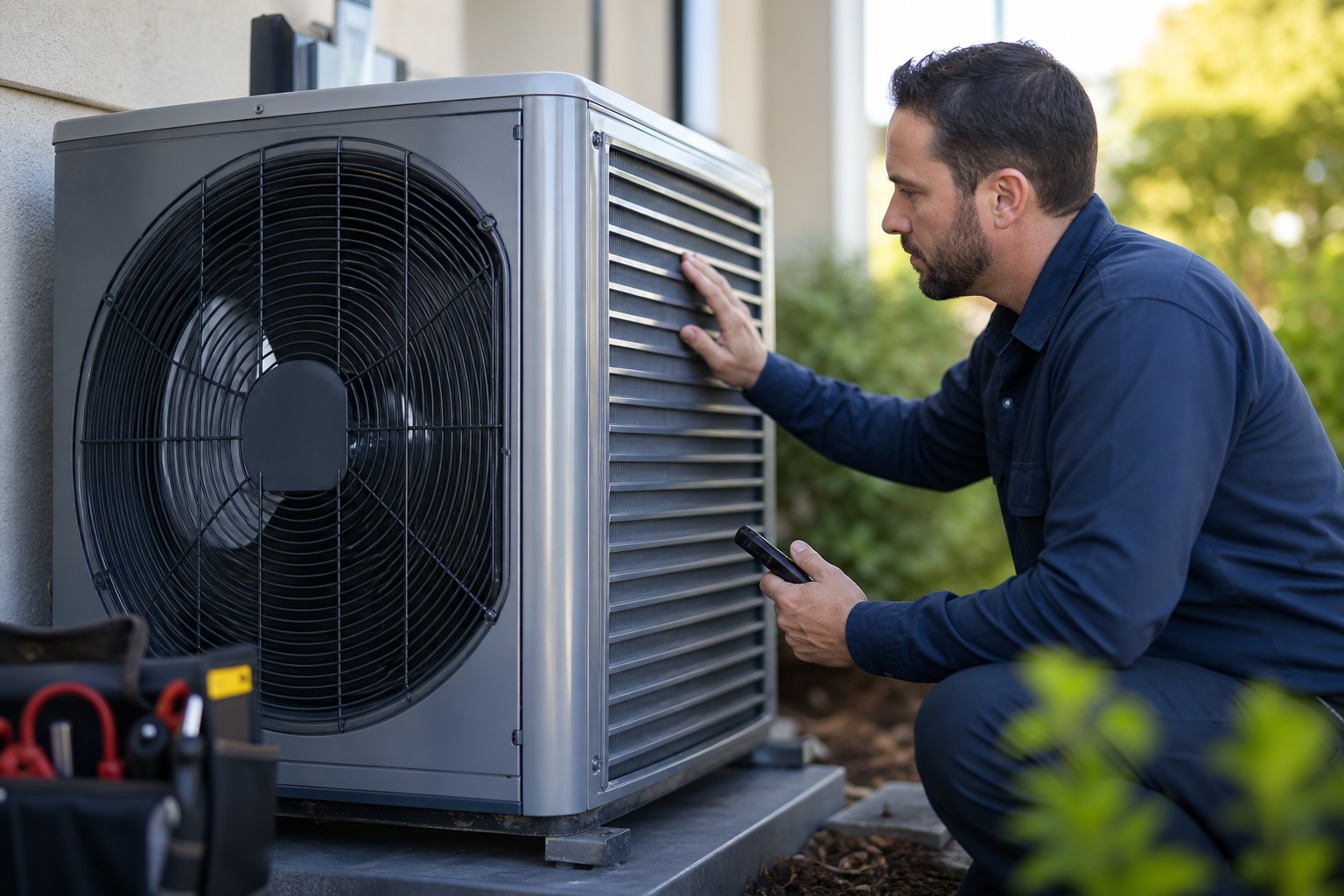
- Schedule annual professional inspections.
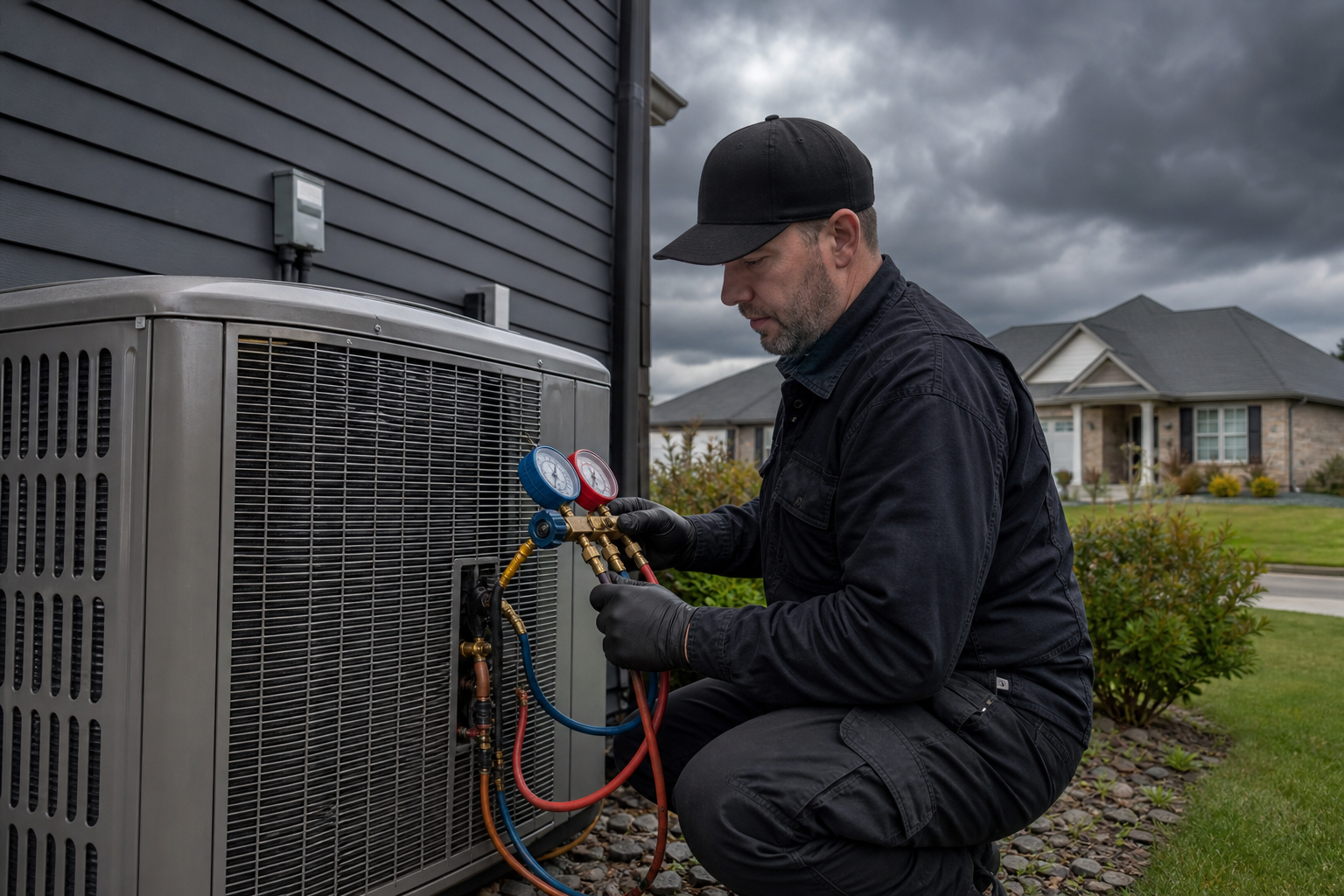
- Keep outdoor units free from debris and vegetation.
Final Thoughts for Peterborough, Lindsay & Kawartha Lakes Homeowners
Understanding SEER ratings is key to choosing an efficient, cost-effective air conditioner. By investing in a higher SEER unit, you benefit from lower energy costs, increased comfort, and reduced environmental impact.
Ready to upgrade to an efficient, high-SEER air conditioner? Contact Gravity Plumbing & Heating for a free consultation and tailored recommendations.
Contact Gravity Plumbing & Heating
Ready for next steps?
Book service, ask about financing, or browse protection plans — we are always available.