If your sump pump is not working, waiting for the next heavy rain to test it is a bad plan.
Your sump pump may sit quietly in the basement for weeks or months. Then a major storm hits, snow melts quickly, groundwater rises, and suddenly that small pump becomes one of the most important pieces of equipment in your house.
A sump pump failure can let water rise inside the sump pit and eventually enter your basement. The warning signs are often there before that happens.
Strange noises. Constant cycling. A pump that never turns on. Water sitting unusually high in the pit. A discharge line that is blocked. An old pump that has been forgotten for years.
Homeowners in Peterborough, Lindsay, Kawartha Lakes and surrounding communities also deal with heavy rainfall, spring snowmelt and changing groundwater levels that can put additional demand on basement drainage systems.
If your sump pump is acting differently, deal with it before the next storm.
Sump pump not working?
Call Gravity at 705-344-6835. We answer the phone 24/7 across Peterborough, Lindsay and Kawartha Lakes.
What Does a Sump Pump Actually Do?
A sump pump helps remove groundwater that collects around and underneath your home's foundation.
In many homes, foundation drainage directs water into a sump pit, usually located at the lowest part of the basement. As water enters the pit, the water level rises. A float or other switching mechanism activates the pump. The pump then pushes the water through a discharge pipe and away from the house.
When everything works properly, this happens automatically. You may barely notice it.
Unlike a dripping faucet, you may not notice a sump pump problem every day. You may only find out when water starts rising — which is why a five-minute test on a dry afternoon beats a flooded basement at 2 a.m.
The problem is that sump pumps are mechanical and electrical devices. Pumps can wear out. Float switches can stick. Power can fail. Discharge lines can become blocked. And unlike other residential plumbing issues you see every day, a failing sump pump can stay quiet until the weather turns against you.
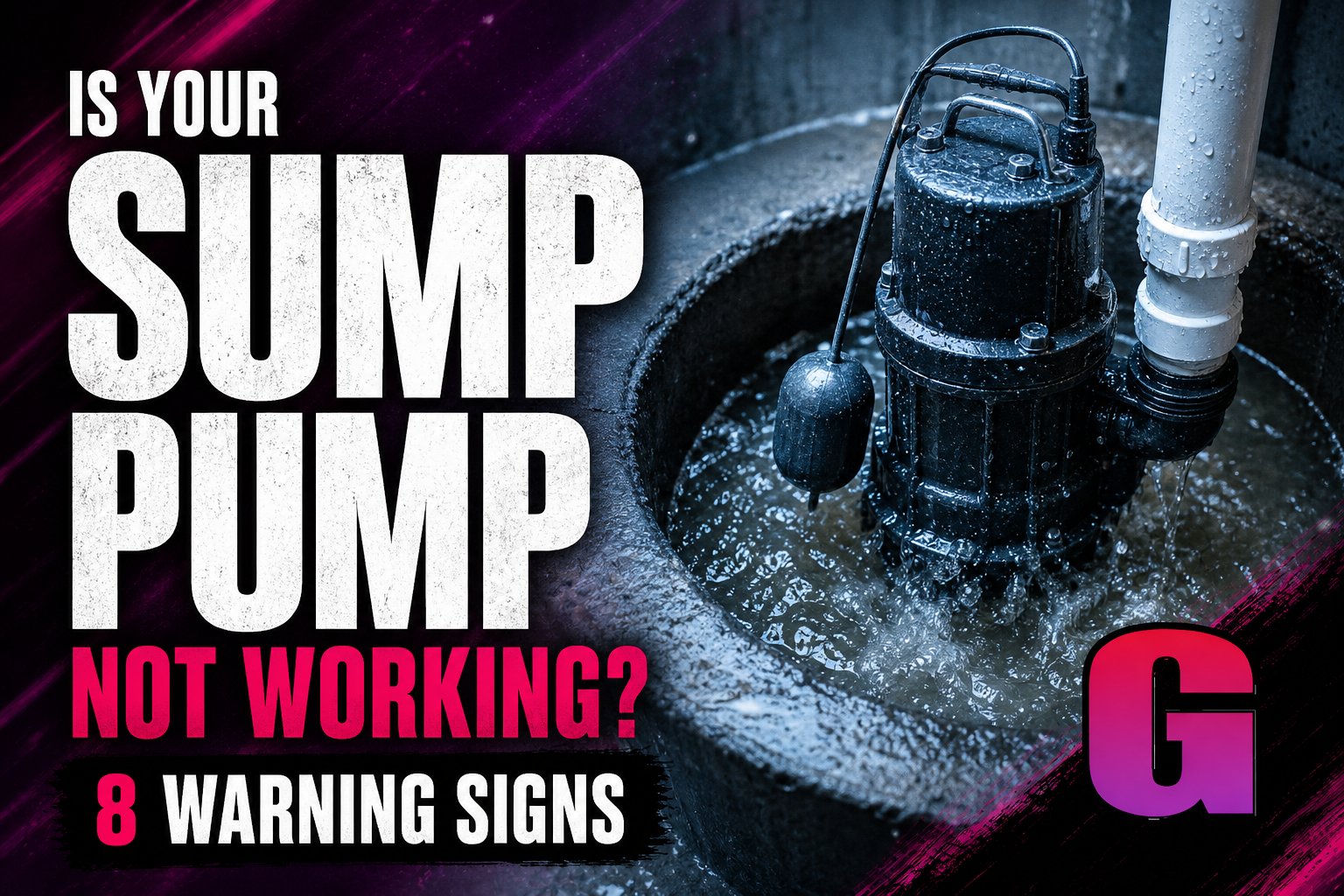
8 Signs Your Sump Pump May Be Failing
1. Your Sump Pump Does Not Turn On
This is the most obvious warning sign. Water enters the pit. The water level rises. Nothing happens.
A sump pump that does not activate can have several possible problems:
- No electrical power, a tripped breaker, or a failed outlet
- Stuck float switch or something blocking the float
- Damaged power cord or failed pump motor
- Mechanical failure or a pump that has reached the end of its service life
Start with the simple checks. Is the pump plugged in? Has the breaker tripped? Is the outlet working? Is anything physically stopping the float from moving?
If power is available and the float can move freely but the sump pump still will not turn on, the pump needs to be inspected. Do not wait until the pit is nearly overflowing.
2. Your Sump Pump Runs Constantly
A sump pump that keeps running is another common problem. During heavy rainfall or spring thaw, a sump pump may run frequently because a large amount of water is entering the drainage system.
But the pump should eventually stop when the water level falls. If it continues running long after the pit has emptied, something may be wrong.
Possible causes include:
- Stuck float switch or incorrect float adjustment
- Failed check valve letting water flow back into the pit
- Pump too small for the amount of groundwater
- Discharge problem, high groundwater, or improper installation
Constant operation is hard on the pump. A motor that runs continuously can overheat or wear prematurely. It can also be a warning that your pump is barely keeping up with the amount of water entering the pit. If another heavy storm arrives, that margin can disappear.
Pump running nonstop?
A constantly running sump pump can burn out before the next storm. Call Gravity for an inspection before the pit overflows.
3. The Pump Makes Grinding, Rattling or Unusual Noises
Sump pumps are not silent. You will normally hear the motor start and water move through the discharge pipe. But new or excessive noises deserve attention.
Listen for grinding, rattling, banging, excessive vibration, humming without pumping, screeching, or loud motor noise.
Grinding can point to problems with internal components. Rattling may mean the pump or piping is moving excessively. A humming motor without water movement can indicate that the pump is jammed or unable to move water properly.
A new noise is especially important if your sump pump has operated quietly for years. Mechanical problems rarely get better on their own.
4. Water Keeps Rising Too High in the Sump Pit
Take a look inside your sump pit occasionally. You should become familiar with what normal operation looks like.
If water rises unusually high before the pump activates, the float switch may be sticking or incorrectly positioned. If the pump starts but the water level does not drop, the pump may not be moving enough water.
Possible problems include a weak pump, blocked intake, clogged discharge pipe, damaged impeller, failed check valve, undersized pump, or mechanical wear.
During a major rain event, water can enter a sump pit quickly. A pump that is already struggling during normal conditions may not keep up when groundwater rises rapidly. Do not treat a nearly overflowing sump pit as normal.
5. Your Sump Pump Turns On and Off Constantly
Frequent starting and stopping is called short cycling. The pump may run for several seconds, stop, and then immediately start again. This can happen dozens of times.
Possible causes include float switch problems, incorrect float positioning, a small sump pit, a failed check valve, water flowing back through the discharge line, high groundwater, or an incorrectly sized pump.
Every motor has a limited number of operating cycles. Constantly starting and stopping places additional wear on the pump.
One common problem involves the check valve. A check valve is designed to stop water sitting inside the discharge pipe from flowing back toward the pit after the pump shuts off. If the valve fails, water gets pumped upward and then falls back into the pit. The float rises again. The pump starts again. The cycle repeats.
A plumber can inspect the pump, float, check valve and discharge setup to identify the actual cause.
6. The Sump Pump Runs but No Water Leaves the Pit
This is one of the more dangerous sump pump problems because the sound of the motor can make you think everything is working.
The pump starts. You hear it running. But the water level barely changes.
Possible causes include a blocked pump intake, damaged impeller, clogged discharge pipe, frozen discharge line, air lock, failed check valve, damaged pump, or another discharge line problem.
Check the outdoor discharge area if it is safe and accessible. Water should be discharged away from the foundation. If the pump is running but water remains in the pit, shut the system down before allowing the motor to run endlessly.
A running motor does not automatically mean a working sump pump. Confirm water is leaving the pit and exiting outdoors.
7. Your Sump Pump Is Old and You Do Not Know When It Was Last Serviced
Sump pumps do not last forever. Their lifespan depends on pump quality, frequency of operation, installation, amount of water handled, sediment entering the pit, maintenance, and electrical conditions.
A sump pump that runs regularly may wear faster than a pump that rarely activates. The bigger problem is that homeowners often inherit sump pumps when they purchase a house.
You may have no idea how old the pump is, who installed it, how often it runs, when it was last serviced, if it has ever failed, or if it is properly sized.
If you cannot remember the last time your sump pump was tested or inspected, test it before the next major rainfall. Finding a problem on a dry afternoon is much better than finding it at 2 a.m. during a storm.
8. You Have No Backup During a Power Outage
This problem is easy to overlook. Most standard sump pumps depend on household electricity.
Now consider when you may need the pump most. A severe storm arrives. Rain falls heavily. Groundwater rises. Then the power goes out. Your sump pump stops. That combination can create a serious basement flooding risk.
Homes that regularly depend on a sump pump may benefit from a backup system. Common options include battery backup sump pumps, secondary sump pumps, generator backup, or properly designed redundant pumping systems.
The right setup depends on the property and how heavily the home relies on its sump system. If your pump runs frequently during storms, backup power — including home generators where appropriate — should be part of the conversation.
Need a backup sump pump?
Gravity can inspect your sump system and talk through battery backup, secondary pumps, and storm-ready options for your home.
How Do You Test a Sump Pump?
You do not need to wait for rain. A basic sump pump test is simple.
Step 1: Inspect the Pit
Look inside the sump pit. Check for obvious debris or objects that could interfere with the pump or float.
Step 2: Check the Power
Confirm the pump is plugged into its proper outlet. Do not use damaged extension cords or temporary electrical setups.
Step 3: Check the Float
Make sure the float can move freely and is not caught against the pump, pipe or wall of the pit.
Step 4: Add Water
Slowly pour water into the pit. As the water level rises, the float should activate the pump.
Step 5: Watch the Water Level
The pump should remove the water quickly and then shut itself off.
Step 6: Listen
Pay attention to new noises, excessive vibration or humming without water movement.
Step 7: Check the Discharge
Confirm that water is actually leaving the system and being directed away from your foundation. If the pump fails any part of this test, get it inspected.
Why Does a Sump Pump Fail During Heavy Rain?
Heavy rain puts your sump pump under the highest demand. A pump may work perfectly during a small rainfall but struggle when large amounts of groundwater enter the pit quickly.
Common causes of failure during storms include:
- The pump cannot keep up — it may be too small for the water entering the pit
- Power goes out at the exact time the sump pump needs electricity
- The discharge line becomes blocked and water cannot leave
- The pump overheats after running continuously for hours
- The float sticks because of debris or poor positioning
- The check valve fails and water repeatedly flows back toward the pit
That is why testing a sump pump during dry weather matters. You want to know the system works before it is under maximum demand.
Where Should Sump Pump Water Go?
Your sump pump needs somewhere to send the water. The discharge should move water away from your foundation to an appropriate location. It should not simply dump water beside the house.
If water exits directly against the foundation, much of it can soak back into the soil and eventually return to the sump system. That forces the pump to move the same water repeatedly.
The City of Kawartha Lakes specifically advises residents to keep sump pumps and foundation drainage out of the sanitary sewer system and direct stormwater appropriately outside. Peterborough also promotes foundation drain disconnection and sump-pump systems as part of local basement flood reduction.
Local requirements can depend on the property and drainage setup, so plumbing changes should be handled correctly.
Sump Pump vs. Backwater Valve: What Is the Difference?
These two devices address different basement water risks. They are often confused.
Sump Pump
A sump pump primarily handles groundwater and foundation drainage collected in a sump pit. It pumps that water away from the house.
Backwater Valve
A backwater valve is installed in a sewer line. Its purpose is to help prevent sewage from flowing backward into the home when the municipal sewer system becomes overloaded.
One deals primarily with groundwater. The other deals with sewage backing up through the drain system. Some homes may benefit from both — especially in areas with older infrastructure, basement flooding history or significant wet-weather events.
If sewage is coming up through floor drains or toilets, that is a different emergency. See our guide on sewer backups and basement flooding and our drain cleaning services.
Basement water — groundwater or sewer?
Not sure which system failed? Call Gravity. We diagnose sump problems, sewer backups, and basement flooding across the Kawarthas.
Can You Fix a Sump Pump Yourself?
There are several things homeowners can safely check:
- Confirm it has power and check the breaker
- Make sure the float moves freely
- Remove obvious debris from around the pit
- Test the pump with water
- Check the visible outdoor discharge area
Anything beyond basic troubleshooting can require plumbing or electrical work.
- The pump has power but does not run
- The motor runs but no water moves
- The breaker repeatedly trips
- The pump makes grinding noises or constantly short cycles
- The discharge pipe is blocked or water continues rising
- You need a new pump, battery backup, or drainage system changes
Do not take apart an electrical pump while it is connected to power. And never enter a flooded basement when electrical equipment or outlets may be in contact with water. The same caution applies during burst pipe or water main break emergencies.
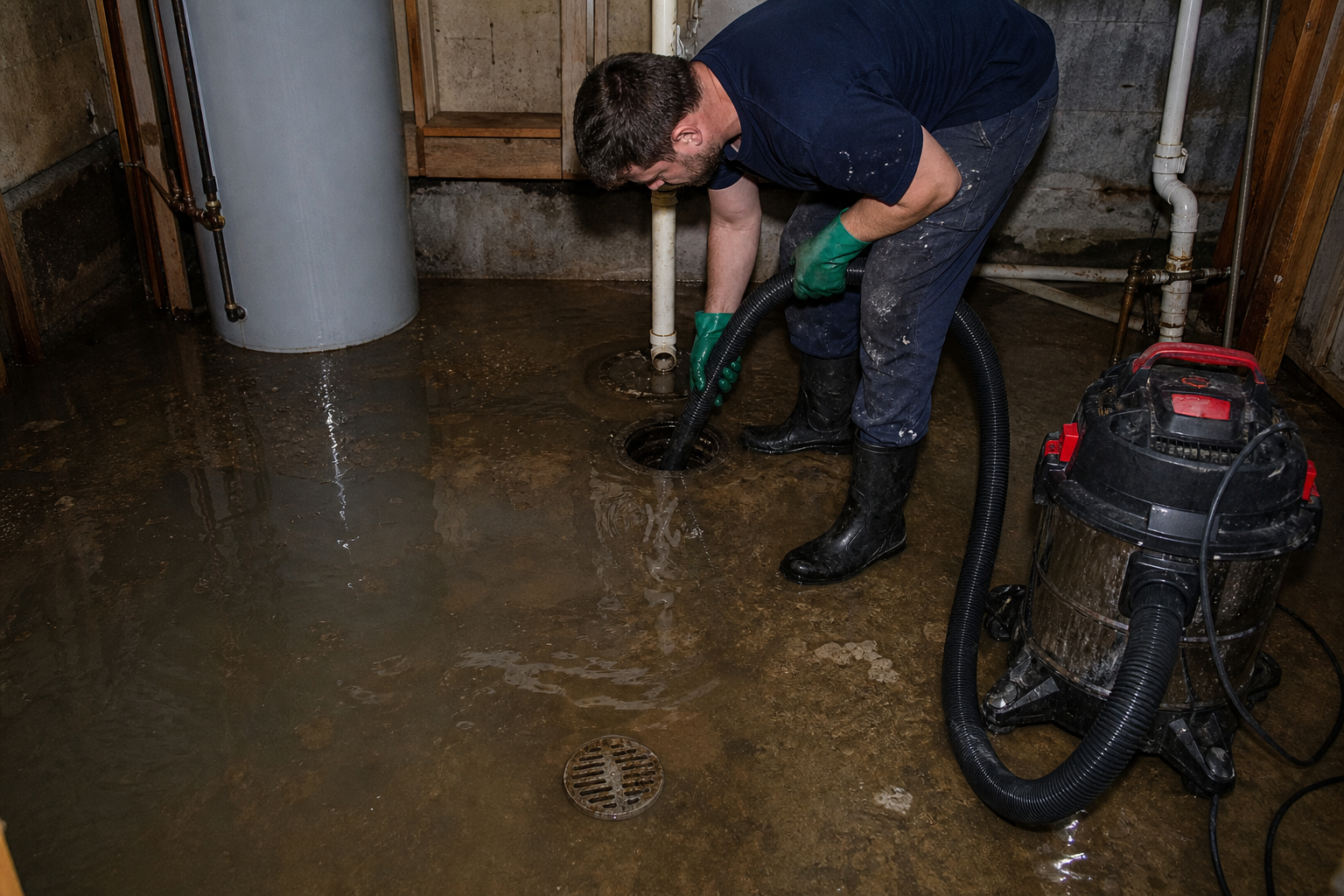
What Should You Do If Your Basement Is Already Flooding?
First, think about electrical safety. Water and electricity are a dangerous combination.
Do not walk into standing basement water when electrical outlets are submerged, extension cords are in the water, appliances are sitting in water, the electrical panel is affected, or you cannot safely access the area.
If it is safe to do so, stop the source of water and call for help. If the flooding is related to a failed sump system, a plumber can determine why the pump stopped working and what needs to happen next.
Do not focus only on removing the water. You also need to fix the reason it entered the basement.
Basement flooding right now?
Call Gravity at 705-344-6835 for 24/7 emergency plumbing help across Peterborough, Lindsay and Kawartha Lakes.
How to Reduce the Risk of Sump Pump Failure
Test the Pump Regularly
A five-minute test can expose a problem before the next storm.
Keep the Pit Clean
Sediment and debris can interfere with the pump and float.
Inspect the Discharge Line
Make sure water has a clear path away from the house.
Watch the Check Valve
Repeated cycling can indicate water is returning to the pit.
Have Backup Power
Homes that depend heavily on sump pumps should have a plan for outages.
Pay Attention to Changes
New noises, longer run times and higher water levels are warnings. Do not ignore an aging pump — a sump pump is not something you want to run until complete failure. If the pump is getting old or unreliable, also read our guide on when to replace an aging sump pump.
Sump Pump Repair in Peterborough, Lindsay & Kawartha Lakes
Sump pump problems can turn into basement water problems quickly. Gravity provides residential plumbing service throughout Peterborough, Lindsay, Kawartha Lakes and surrounding areas.
If your sump pump will not turn on, will not stop running, makes strange noises, is not removing water, keeps cycling, has a stuck float, has a clogged discharge, needs replacement, needs a backup system, or stops working during a storm — call before the pit overflows.
Gravity provides 24/7 plumbing service for problems that cannot wait. Related basement water issues — including clogged drains and sewer lines — are covered under the same local team.
Need sump pump repair?
Call Gravity at 705-344-6835. Always available. Always reliable. Always answers the phone.
Frequently Asked Questions About Sump Pumps
Why is my sump pump not working?
Common causes include loss of power, a stuck float switch, clogged intake, blocked discharge pipe, failed check valve or pump motor failure. Start by checking power and the float. If the pump still does not activate, call a plumber.
Why is my sump pump running but not pumping water?
A pump that runs without removing water may have a clogged intake, damaged impeller, blocked discharge line, air lock or mechanical failure.
Why does my sump pump keep running?
Constant operation can result from high groundwater, a stuck float switch, failed check valve, undersized pump or water returning to the pit after discharge.
Why does my sump pump turn on every few minutes?
Frequent cycling can happen when groundwater is entering quickly, the float is incorrectly positioned or a failed check valve lets water flow back into the pit.
How do I know if my sump pump is bad?
Warning signs include strange noises, failure to start, constant running, weak water removal, repeated cycling, excessive vibration and water rising higher than normal in the pit.
Can a sump pump stop working during a power outage?
Yes. Most standard sump pumps use household electricity. Without backup power, the pump stops when electrical service is interrupted.
Should I have a battery backup sump pump?
A battery backup can be valuable for homes that depend on a sump pump during storms or periods of high groundwater. It gives the home a second pumping option when the main pump loses electricity or fails.
Should there always be water in my sump pit?
Some water in a sump pit can be normal. The amount varies based on groundwater conditions and the drainage system. The bigger concern is water rising above the normal activation point without the pump starting.
Can I test my sump pump myself?
Yes. Slowly add water to the pit until the float rises. The pump should activate, remove the water and shut off. Stop the test if the pump does not activate and water approaches the top of the pit.
How often should I check my sump pump?
Check it periodically and especially before periods when your property typically sees heavy rain or spring snowmelt. Homes with pumps that operate frequently should pay closer attention to pump condition.
Who repairs sump pumps in Peterborough?
Gravity provides plumbing and sump pump service in Peterborough, Lindsay, Kawartha Lakes and surrounding communities. Call 705-344-6835 for service.
Do Not Wait for the Next Storm to Find Out Your Sump Pump Is Dead
A sump pump not working can be easy to ignore when the basement is dry. That changes quickly when groundwater starts rising.
Pay attention to warning signs. Test the pump. Listen for new noises. Watch the water level. Check that water is actually leaving the discharge line.
And if your sump pump fails a basic test, deal with it before heavy rain puts the system under pressure. The best time to repair a sump pump is when your basement is still dry. When repair stops making sense, use our guide on when to replace an aging sump pump.
Sump pump not working?
Call Gravity at 705-344-6835. 24/7 plumbing service across Peterborough, Lindsay, Kawartha Lakes and surrounding areas.
Ready for next steps?
Book service, ask about financing, or browse protection plans — we are always available.